
A useful photo plan for a difficult task
Pet memorial photo ideas that tell one animal’s real story
Sorting years of pet photos can be overwhelming, especially soon after a loss. You do not need every image. Treat pet remembrance pictures as a small, deliberate story that shows appearance, routine, relationship and change more clearly than a huge unedited gallery. Begin with one unmistakable portrait and add only photographs that contribute a different piece of the story.
- Account required · No subscription
- Two distinct private moments
- You decide what the memory means to you
Use one hero portrait, several daily-life details and a short timeline.
Keep low-quality images when they carry a memory unavailable elsewhere.
Separate documentary photos from AI-imagined or heavily edited artwork.
Select a hero image
Choose the photo that family members recognize immediately. Look for visible eyes, characteristic posture and a familiar setting. It does not need to be the sharpest file if another image holds more identity, but avoid enlarging a tiny screenshot until it breaks apart. Preserve the untouched original before editing.
Add daily-life evidence
Include the worn sleeping spot, favorite window, travel blanket, toy, walking route or the way a paw rested on someone. Detail photos can represent a life without showing the face in every frame. Captions should say why the object mattered instead of using generic memorial phrases.
Build a short chronological sequence
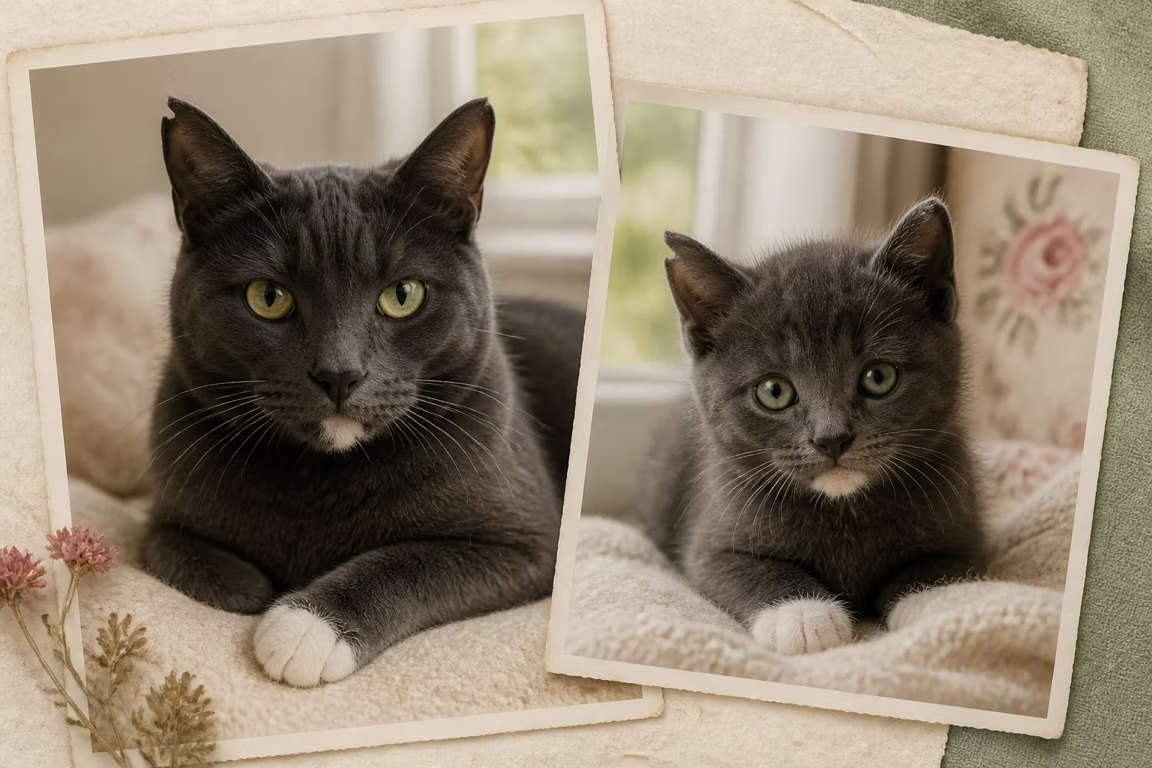
Use earliest available, middle years and a recent image rather than documenting every month. Add only dates you know. If the pet was adopted as an adult, an imagined baby portrait may be placed before the earliest real photo only when clearly labeled as a creative interpretation.
Prepare files for private and public use
Keep a high-resolution private archive and make separate sharing copies. Crop out addresses, phone numbers, medical documents and private links. Ask people before posting photos that include them. Use descriptive filenames and alt text so the archive remains searchable and accessible.
Questions people ask
How many photos should a pet memorial include?
There is no required number. Eight to twelve varied images often create a complete small set without becoming overwhelming.
Can I use a blurry but meaningful photo?
Yes. Preserve it at its original size and pair it with a caption; emotional evidence can matter more than technical perfection.
Where should an AI portrait appear?
In a clearly labeled creative or imagined section, never mixed into the documentary timeline without explanation.
Keep exploring
Remember the life you shared—and imagine the beginning you missed
Create two gentle, private pet memorial portraits that imagine puppy or kitten years you may never have seen, in the native format you choose.
Create a pet memorial around the life that was actually shared
Plan a personal pet memorial using real photos, specific stories, a private digital archive, and—when it feels right—an imagined baby portrait.
Ways to remember a rescue pet without inventing the years before
Build rescue pet memories around the life you actually share: adoption milestones, trusted routines, current photos, and an honestly imagined baby portrait.
Choose a pet photo that gives AI enough evidence
Use a practical photo-selection checklist for AI pet portraits: face size, focus, light, markings, angle, cropping, filters, and common failure cases.
Create one clearly labeled imagined image for the set
Use the strongest adult portrait to preview a puppy or kitten memory privately before including it.
Preview a memorial image- Account required · No subscription
- Two distinct private moments
- You decide what the memory means to you